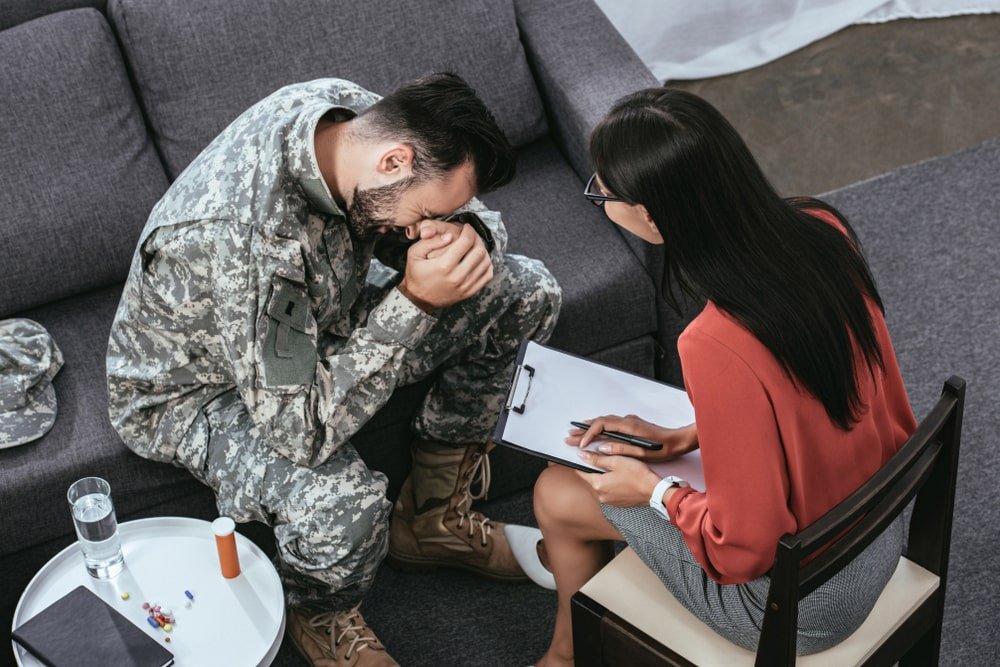
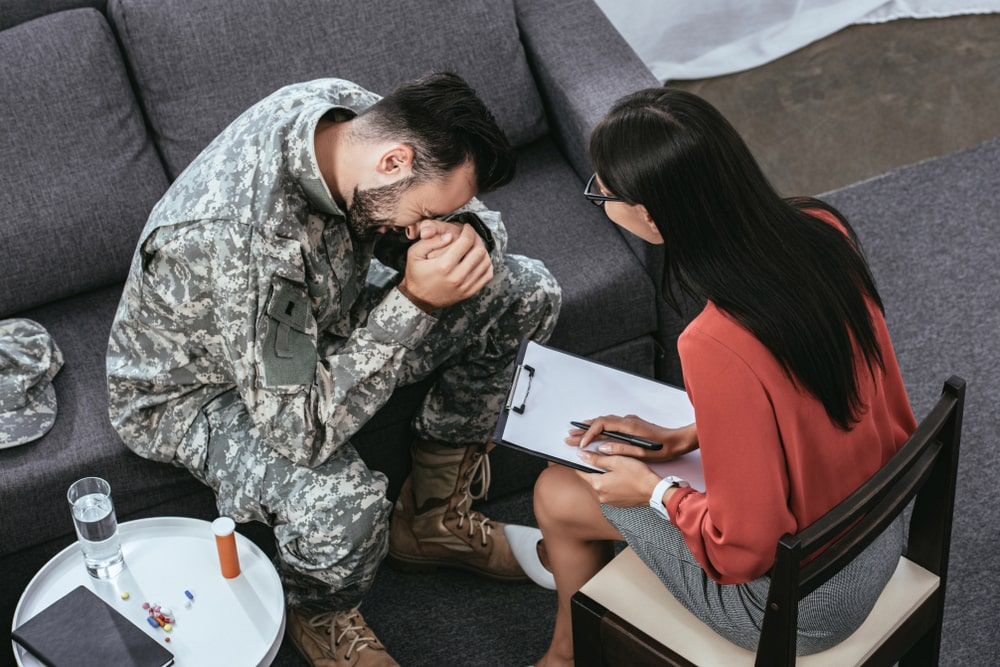
Imagine waking up in a cold sweat, haunted by memories that refuse to go away. Or feeling on edge at every unexpected noise, your heart racing with an unrelenting sense of dread. This is the reality for countless veterans, whose lives are deeply impacted by the lingering effects of trauma and Post-Traumatic Stress Disorder (PTSD). This condition doesn’t just affect veterans on the battlefield; it follows them home, impacting their daily lives.
Yet, amidst the challenges, there is a beacon of hope: specialized housing grants tailored for disabled veterans coping with PTSD. These grants provide financial assistance for home modifications and personalized services, offering a tangible path towards enhancing their quality of life.
As we honor our veterans, let’s recognize the vital role grants play in helping them reclaim their lives and find hope amidst the challenges of PTSD.
Housing Grants for Disabled Veterans with PTSD
Ensuring stable housing is crucial for veterans as it forms the foundation for stability and overall well-being. Yet, accessing suitable housing presents challenges for many veterans, especially those grappling with PTSD, due to financial constraints or inadequate accommodations.
Picture a veteran returning home to find a sanctuary, not a battleground. That’s the transformative power of housing grants provided by the Department of Veterans Affairs (VA). These grants, including the Specially Adapted Housing (SAH), Special Housing Adaptation and (SHA), offer crucial financial assistance for home modifications tailored to meet the specific needs of disabled veterans. From soundproofing to security enhancements, these modifications aren’t just cosmetic; they’re lifelines, offering respite from PTSD triggers.
Specially Adapted Housing (SAH) Grants
Specially Adapted Housing (SAH) Grants are available for service members or veterans facing service-related disabilities, aiming to enhance the accessibility and comfort of their homes through essential modifications.
Examples of housing modifications under a SAH grant include installing wheelchair ramps for improved mobility, widening doorways to accommodate mobility aids, incorporating roll-in showers for ease of access, and implementing adjustable countertops for daily tasks. These adaptations are meticulously tailored to address the specific challenges faced by veterans with severe disabilities, ensuring that their living environment is both safe and conducive to independent living.
For veterans with PTSD seeking home modifications, accessing SAH grants involves initiating the application process through the Department of Veterans Affairs (VA). This process requires submitting documentation of their disabilities and detailing the proposed modifications necessary to improve accessibility and quality of life at home.
To qualify for SAH grants, veterans must meet specific eligibility criteria outlined by the VA, including having a severe service-connected disability that necessitates home modifications and obtaining a VA disability rating that accurately reflects the extent of their disability. These disabilities include things like losing more than one limb, having a severe burn, or being blind in both eyes (i.e. 20/200 visual acuity or less). It’s also for those who lost a foot or leg after September 11, 2001, and need help walking. However, only 120 veterans can get this grant each year. Veterans can utilize the funds up to six times over their lifetime. In essence, if you don’t exhaust all the funds initially, you can access them again at a later date.
By meeting these stringent criteria, veterans with PTSD can secure the financial assistance they need to transform their living environment and enhance their overall well-being.
Special Home Adaptation (SHA) Grants
In comparison, Special Home Adaptation (SHA) grants are intended for veterans that require less extensive modifications compared to SAH grants. This includes those who have lost the use of their hands, are blind, have certain severe burns or respiratory injuries
SHA grants encompass a range of modifications designed to improve the comfort and security of veterans with PTSD in their homes. Examples include enhanced lighting to reduce triggers, modified bathrooms with grab bars and non-slip flooring, and ergonomic adjustments to kitchen appliances.
Veterans can apply for SHA grants through the VA, following a similar application process to SAH grants. Additionally, SHA benefits can also be used in future years if the full amount is not needed immediately. By leveraging SHA grants, veterans with PTSD can access funding for essential home adaptations that contribute to their overall well-being.
Wounded Warrior Homes’ Supportive Services
Wounded Warrior Homes (WWH) is a nonprofit organization dedicated to assisting veterans with PTSD and other service-connected disabilities. Through various programs and initiatives, WWH aims to create a supportive community that empowers veterans in their transition to civilian life.